
Mental Health & Disorders
Advice about managing your mental health
Mental Health & Disorders
Mental health refers to our emotional, intellectual, and behavioural welfare: how we feel, what we think and how we behave. Our mental health has an impact on every facet of our daily lives, from how we relate to other people to how we look after ourselves.
Mental health refers to our emotional, intellectual, and behavioural welfare; how we feel, what we think and how we behave. Our mental health has an impact on every facet of our daily lives and how we view the world we live in.
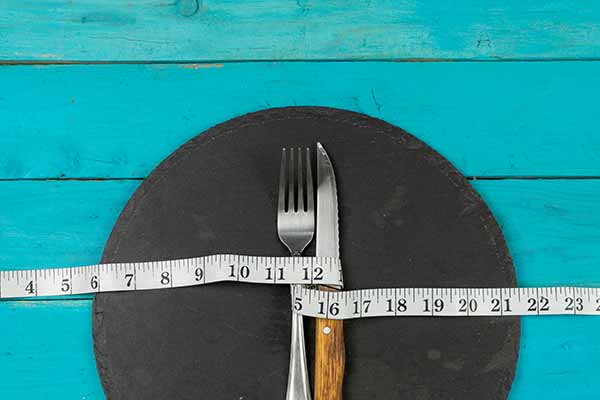
Eating disorders affect approximately 10% of the population worldwide, and over a quarter of people suffering with an eating disorder will attempt suicide. After opioid addiction it is the second deadliest mental illness.
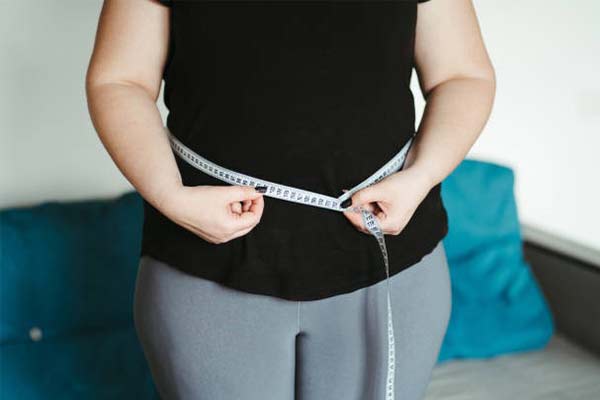
We all overindulge at times, especially around holidays such as Christmas and Easter, maybe having that extra pudding when we don’t really need it or one too many biscuits in the office whilst we’re working on a deadline.
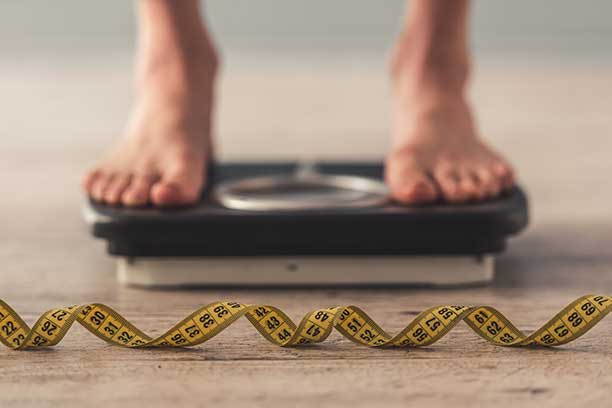
Eating disorders have in the past been a problem associated with young women. In fact, 3% of men will suffer some form of eating disorder in their lifetime and 25 - 40% of people suffering from them are male.
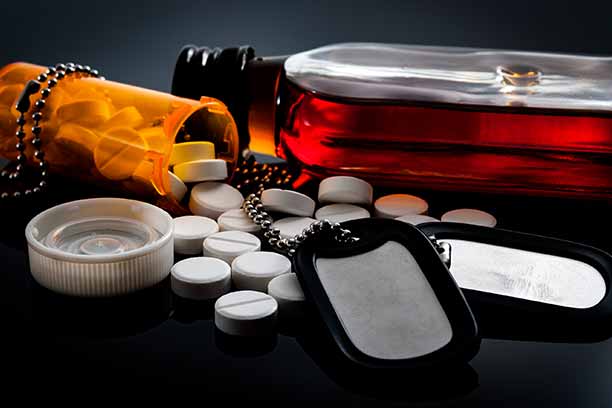
Post-Traumatic Stress Disorder (PTSD) can develop if a person experiences a shocking event, or series of events – war, combat, a terrorist attack, a serious accident, a natural disaster or a rape or violent assault.
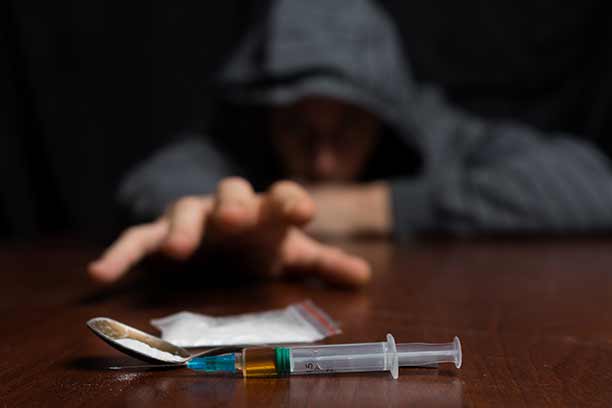
For a long time, men’s struggles with Mental Health have been pushed under the carpet. Two overriding emotions associated with alcoholism and addiction are despair and hopelessness, this can lead addicts to use suicide as.
As all of Europe goes into varying degrees of government enforced lockdowns and its land borders shut for 30 days, here are some tips from Phoenix Programmes for staying sane when self-isolating for safety

