
Cannabis Addiction Treatment
A Private, Medically Supervised Therapeutic Retreat in Costa del Sol
Beyond the Myth of Harmless Use
Cannabis addiction is often underestimated because the substance is widely perceived as mild, natural, or socially acceptable. In clinical practice, however, dependency on modern high-potency cannabis can produce significant impairment in motivation, emotional regulation, cognitive performance, and psychological resilience. The belief that cannabis is harmless often delays recognition of dependence until the pattern has become firmly established.
Here in Marbella on the Costa del Sol in Andalusia, we provide discreet one-to-one cannabis addiction treatment for individuals struggling with chronic marijuana use, motivational decline, emotional blunting, and the wider psychiatric or functional consequences that often follow. Treatment is delivered within a confidential setting that combines medical oversight, psychiatric evaluation, and intensive psychological care.
Many people who become dependent on cannabis were not seeking collapse. They were seeking relief from anxiety, internal pressure, insomnia, emotional discomfort, trauma-related distress, or the demands of daily life. Effective marijuana addiction treatment therefore requires more than asking someone simply to stop smoking. It requires a deeper understanding of emotional avoidance, reward dysregulation, self-medication, and the psychological function cannabis has come to serve.
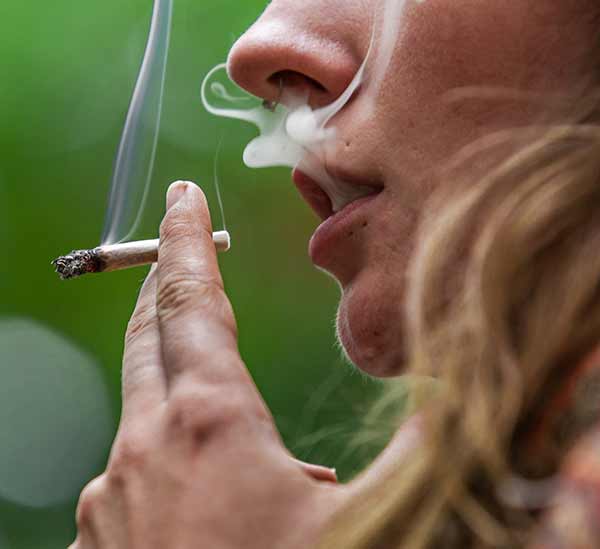
The Changing Clinical Reality of Modern Cannabis
Modern cannabis is not the same drug many people associate with occasional recreational use from previous decades. In clinical practice, the rise in high-THC products, concentrated extracts, hybrid strains, and contaminated illicit products has significantly altered the dependency profile.
Modern cannabis preparations may include elevated levels of tetrahydrocannabinol (THC), concentrated extracts and oils, high-potency hybrid strains, and, in some illicit products, synthetic cannabinoid contamination.
These stronger preparations may affect:
Modern cannabis preparations may include elevated levels of tetrahydrocannabinol (THC), concentrated extracts and oils, high-potency hybrid strains, and, in some illicit products, synthetic cannabinoid contamination.
These stronger preparations may affect:
Memory systems
Reward pathways
Stress-response regulation
Executive functioning
Emotional processing
Dopamine modulation
This is clinically important because dependence is now increasingly linked to stronger and more disruptive products than many individuals realise. What appears to be routine cannabis use may in fact involve repeated exposure to highly potent psychoactive compounds with a much greater impact on cognition, emotional stability, and psychiatric vulnerability.
Psychological and Cognitive Consequences
Cannabis dependence often develops gradually, which is one reason it can be missed for so long. Reduced drive, emotional blunting, short-term memory impairment, diminished concentration, executive dysfunction, and lower stress tolerance may emerge slowly rather than dramatically. Over time, this can develop into a broader pattern of under-functioning that becomes normalised by the individual and sometimes by those around them.
In some cases, chronic cannabis use may also be associated with anxiety, paranoia, depressive vulnerability, derealisation, social withdrawal, and reduced psychological resilience. For certain individuals, especially those with pre-existing psychiatric vulnerability, cannabis may worsen rather than relieve the very symptoms it is being used to manage.
This is one reason cannabis addiction should not be dismissed as minor. Even where there is no obvious crisis, the drug may be quietly reshaping motivation, emotional presence, self-direction, and long-term functioning.
Cannabis Withdrawal and Early Stabilisation
Cannabis withdrawal is often underestimated because it is not usually framed as medically dramatic. In practice, however, it can be distressing enough to undermine repeated attempts at stopping and to reinforce the belief that cannabis is necessary for emotional balance.
Common symptoms may include:
Common symptoms may include:
Irritability
Restlessness
Insomnia
Vivid dreams
Reduced appetite
Mood fluctuation
At Phoenix Programmes, sleep, mood, anxiety vulnerability, attentional profile, and the broader behavioural pattern of use are carefully assessed before deeper therapeutic work begins. This phase is important because many individuals misinterpret withdrawal-related dysregulation as proof that cannabis is helping them, when in reality the dependence itself may be driving much of the instability.
Emotional Regulation, Avoidance, and Self-Medication
For many individuals, cannabis functions not simply as a recreational drug, but as a psychological strategy. It may operate as an anxiety modulator, a sleep aid, a mood stabiliser, a trauma-avoidance mechanism, a social buffer, or a means of dampening internal intensity.
This is why effective cannabis addiction treatment must go beyond abstinence alone. If the emotional function of the drug is not understood, the pattern may return quickly or reappear in another form. In many cases, the deeper issue is not pleasure-seeking, but avoidance — avoidance of anxiety, unresolved pain, emotional effort, or psychological discomfort.
Recovery therefore involves rebuilding the capacity to tolerate internal experience without chemical dampening, while restoring motivation, self-direction, and emotional resilience.
Intensive One-to-One Cannabis Addiction Treatment in Costa del Sol
Treatment may include:
Identifying avoidance patterns
Strengthening emotional regulation skills
Rebuilding intrinsic motivation
Developing adaptive coping strategies
Addressing trauma or anxiety vulnerability where indicated
Restoring executive clarity and self-directed behaviour
Because only one client is treated at any given time, therapeutic engagement remains fully individualised, confidential, and responsive to complexity. This contained model is particularly important where cannabis use has become entwined with anxiety, trauma, low motivation, self-medication, or gradual functional decline. Within this setting, deeper psychological work can take place without social normalisation of use, environmental triggers, or the routines that often keep dependence quietly in place.
Integrated Psychiatric and Dual-Diagnosis Care
Cannabis dependence frequently coexists with anxiety disorders, depressive vulnerability, trauma-related symptoms, self-medication patterns, sleep disturbance, and attention-related vulnerabilities. Treatment must therefore be psychologically integrated and carefully coordinated throughout.
Comprehensive psychiatric assessment helps ensure that treatment addresses not only the cannabis use itself, but also the wider emotional and clinical factors maintaining it. This is particularly important where the pattern includes chronic anxiety, emotional numbing, motivational decline, attentional problems, or a broader dual-diagnosis presentation.
Comprehensive psychiatric assessment helps ensure that treatment addresses not only the cannabis use itself, but also the wider emotional and clinical factors maintaining it. This is particularly important where the pattern includes chronic anxiety, emotional numbing, motivational decline, attentional problems, or a broader dual-diagnosis presentation.
REBUILD MOTIVATION BEYOND MARIJUANA USE
Speak with us. All conversations are confidential, with no obligation.
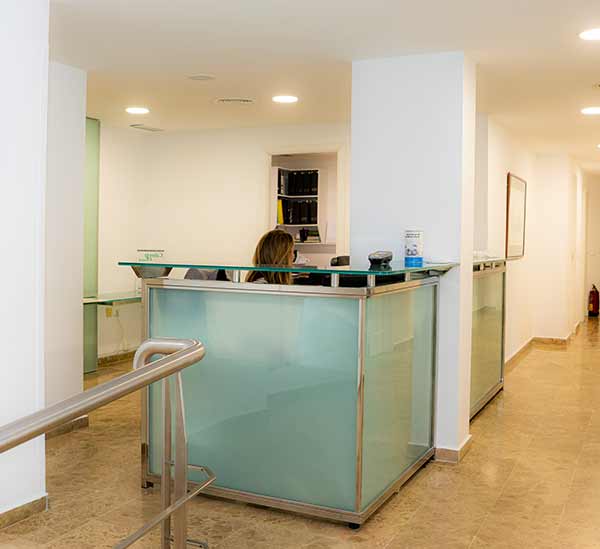
Private Cannabis Addiction Treatment in Marbella
If you are concerned about cannabis or marijuana dependence in yourself or someone close to you, early specialist intervention can make a significant difference. Speaking with us does not commit you to treatment. It simply gives you the opportunity to understand what help may be appropriate.
All conversations are confidential and without obligation.
All conversations are confidential and without obligation.
A Discreet Therapeutic Setting in Marbella, Andalusia
Set within a discreet therapeutic environment in Marbella, Andalusia, treatment offers complete confidentiality, continuous therapeutic oversight, structured daily engagement, and absolute discretion. This gives clients the space needed for cognitive recovery, emotional stabilisation, and meaningful psychological change. For many people, stepping away from the environments linked to habitual use, emotional avoidance, and low-motivation behavioural patterns is an important part of beginning recovery with greater clarity and safety.
Treatment Duration and Recovery Process
Treatment may include:
Comprehensive medical and psychiatric assessment
Structured stabilisation phase
Sleep and mood regulation
Intensive individual psychotherapy
Behavioural restructuring
Structured aftercare planning
A minimum four-week commitment is required. The objective is restoration of motivation, emotional regulation, cognitive clarity, and more durable long-term recovery beyond the retreat setting.
Continuity of Care
Although cannabis dependence may appear less acute than opioid or stimulant addiction, prolonged use can significantly impair cognitive functioning, emotional regulation, motivation, and long-term psychological resilience.
When addressed through structured medical assessment, psychiatric integration, and intensive psychological work, recovery is both achievable and durable. Following residential treatment in Marbella, structured aftercare planning supports sustained reintegration and relapse prevention.
When addressed through structured medical assessment, psychiatric integration, and intensive psychological work, recovery is both achievable and durable. Following residential treatment in Marbella, structured aftercare planning supports sustained reintegration and relapse prevention.
Frequently Asked Questions
What is cannabis addiction?
Cannabis addiction is a pattern in which marijuana use becomes repetitive, difficult to control, and increasingly disruptive to motivation, emotional wellbeing, cognitive functioning, or day-to-day life.
Can marijuana really become addictive?
Yes. Marijuana can become psychologically and behaviourally addictive, particularly when it is used regularly for anxiety relief, sleep, emotional avoidance, stress reduction, or self-medication.
What are the signs of marijuana dependence?
Common signs include repeated use despite harm, emotional blunting, lower motivation, irritability when stopping, sleep disruption, reduced concentration, increased psychological reliance, and difficulty functioning without cannabis.
Why is cannabis addiction often missed?
Because it usually develops gradually. The reduction in drive, emotional presence, and cognitive sharpness may be subtle at first, and cannabis is often socially framed as harmless or therapeutic.
Do you provide private cannabis addiction treatment in Marbella?
Yes. Confidentiality is central to the Phoenix Programmes model. Because we work with one client at a time, treatment remains highly discreet, medically supervised, and individualised.
How long does cannabis addiction treatment take?
A minimum four-week commitment is required. This allows time for assessment, stabilisation, therapeutic work, behavioural restructuring, and the early rebuilding of motivation, emotional regulation, and cognitive clarity.
Do you treat dual-diagnosis cannabis cases?
Yes. Our one-client-at-a-time model is particularly suitable for individuals with anxiety, trauma history, sleep disturbance, attention-related vulnerability, self-medication patterns, or significant privacy concerns. There is no obligation and no pressure. The first step is simply a confidential discussion.
If you think that you or someone you love might have a problem with drug or alcohol addiction, compulsive behaviour or emotional disorders, reach out and speak to our specialist addiction rehab treatment team on our confidential helpline +34 691 881 422. Immediate admission available.

