
Shopping Addiction Treatment
A Private, Medically Supervised Therapeutic Retreat in Costa del Sol
More Than Spending: The Psychology of Compulsive Buying
Shopping addiction, clinically referred to as compulsive buying disorder, is a behavioural addiction marked not by ordinary purchasing behaviour, but by persistent loss of control over acquisition despite escalating financial, emotional, or relational consequences.
What may begin as routine consumer activity can gradually develop into a compulsive mechanism for mood regulation, identity reinforcement, and psychological escape.
At Phoenix Programmes, in Marbella on the Costa del Sol in Andalusia, we provide discreet one-to-one shopping addiction treatment for individuals struggling with compulsive buying, online spending, luxury acquisition, and other repetitive purchasing patterns.
Treatment is delivered within a confidential setting that combines psychiatric oversight, psychological depth, and intensive individual care.
Many people who become trapped in compulsive buying were not seeking excess for its own sake. They were seeking relief, comfort, identity, control, or the temporary lift that comes with acquisition. Effective shopping addiction treatment therefore requires more than budgeting advice or behavioural restraint, it requires clinical recalibration.

Neurobiological Mechanisms of Compulsive Buying
Compulsive shopping activates the brain’s reward system in a way that is often underestimated. In many cases, it is not ownership itself that provides the strongest reward, but the anticipation of acquiring something new.
The neurobehavioural pattern commonly involves:
The neurobehavioural pattern commonly involves:
Dopamine activation during product anticipation
Heightened sensitivity to novelty
Rapid but short-lived mood elevation after purchase
Diminished response to ordinary reward
Increased impulsivity under emotional stress
Reward anticipation-driven decision bias
Digital retail environments intensify these mechanisms through constant accessibility, algorithmic targeting, and frictionless purchasing pathways. Over time, decision-making can become increasingly driven by emotional state rather than actual need.
Psychological Drivers and Identity Vulnerability
Compulsive buying is often sustained by deeper psychological themes rather than simple material desire. For some individuals, purchasing becomes a temporary attempt to create coherence, self-worth, or emotional relief.
Underlying drivers may include emotional avoidance, attachment insecurity, unstable self-worth, perfectionistic identity structures, trauma exposure, chronic stress, burnout, impulse-control vulnerabilities, and shame-based coping patterns.
In these cases, the purchase is not just a transaction. It becomes a psychological event, something that briefly relieves tension, creates a feeling of possibility, or offers a temporary sense of identity. The difficulty is that the relief rarely lasts, and is often followed by guilt, concealment, and renewed internal discomfort.
Escalation and Clinical Risk
As compulsive buying becomes more established, the consequences often intensify quietly before they become fully visible to others. What may first appear to be occasional overspending can gradually lead to accumulated debt, financial instability, reputational damage, relationship strain, and a progressive erosion of trust. In some cases, the individual remains outwardly high functioning while becoming increasingly distracted, secretive, and less able to manage money with clarity or restraint.
Psychiatric complications may also deepen as the cycle continues. Anxiety, depressive symptoms, shame-driven isolation, and deterioration in executive decision-making often become more pronounced over time. In this sense, compulsive buying is not simply a financial problem. It can become a broader pattern of emotional destabilisation and psychological collapse.
Psychiatric complications may also deepen as the cycle continues. Anxiety, depressive symptoms, shame-driven isolation, and deterioration in executive decision-making often become more pronounced over time. In this sense, compulsive buying is not simply a financial problem. It can become a broader pattern of emotional destabilisation and psychological collapse.
Intensive One-to-One Shopping Addiction Treatment in Costa del Sol
Treatment may include:
Emotional trigger identification
Cognitive restructuring of identity-based beliefs
Impulse regulation strengthening
Stress-tolerance development
Trauma-informed therapy where indicated
Executive decision-making restoration
Because only one client is treated at any given time, therapeutic engagement remains fully individualised, confidential, and responsive to complexity. This contained model is particularly important where debt, secrecy, relational strain, reputational concerns, or high-functioning collapse are present. Within this setting, deeper psychological work can take place without social comparison, environmental triggers, or the pressures that often reinforce compulsive spending.
Integrated Psychiatric and Medical Care
Because compulsive buying often exists alongside mood vulnerability, anxiety disorders, trauma-related symptoms, impulse-control problems, and substance misuse, treatment must be psychologically integrated and carefully coordinated throughout.
Collaboration between therapist and psychiatric consultant helps ensure a coherent treatment plan that addresses both the clinical and emotional dimensions of recovery for clients in Spain, the UK, and internationally.
Collaboration between therapist and psychiatric consultant helps ensure a coherent treatment plan that addresses both the clinical and emotional dimensions of recovery for clients in Spain, the UK, and internationally.
RESTORE CONTROL OVER SPENDING AND SELF
Speak with us. All conversations are confidential, with no obligation.
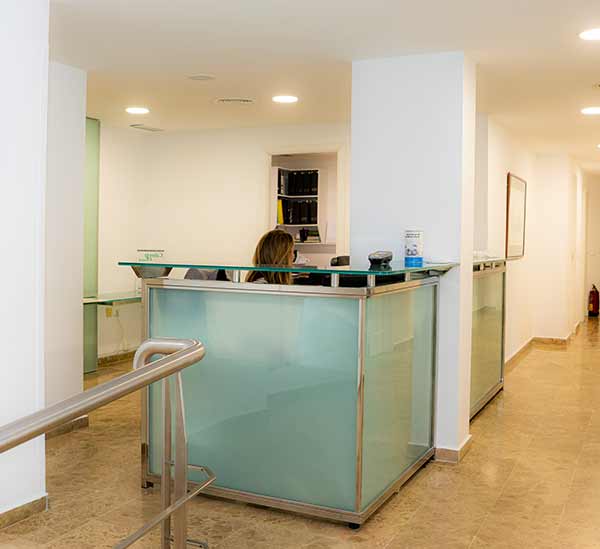
Private Shopping Addiction Rehab in Marbella
If you are concerned about compulsive buying in yourself or someone close to you, early specialist intervention can make a significant difference. Speaking with us does not commit you to treatment. It simply gives you the opportunity to understand what help may be appropriate. All conversations are confidential and without obligation.
A Discreet Therapeutic Setting in Marbella, Andalusia
Set within a discreet therapeutic environment in Marbella, Andalusia, treatment offers absolute confidentiality, structured clinical containment, and distance from retail triggers, financial stressors, and digital purchasing cues, giving clients the space needed for emotional stabilisation, cognitive recalibration, and meaningful psychological change. For many people, stepping away from the environments linked to acquisition, secrecy, financial pressure, or compulsive online purchasing is an important part of beginning recovery with greater clarity and safety.
Duration and Recovery Process
Treatment may include:
Comprehensive psychological assessment
Behavioural restructuring protocols
Financial boundary planning
Identity reconstruction beyond material validation
Development of internal reward mechanisms
Structured aftercare planning
A minimum four-week commitment is required. The objective is to restore executive stability, reduce relapse risk, and build durable recovery independent of compulsive buying.
Early Specialist Intervention for Compulsive Buying Disorder
The longer compulsive buying continues, the more established the underlying behavioural, emotional, and neurobiological patterns may become. Early, structured intervention can significantly improve financial safety, reduce relapse risk, and support more stable long-term recovery.
Frequently Asked Questions
What is shopping addiction?
Shopping addiction, also known as compulsive buying disorder, is a behavioural addiction marked by loss of control over spending and purchasing despite financial, emotional, or relational harm. What may begin as ordinary buying can gradually become compulsive and difficult to stop.
What are the signs of compulsive buying?
Common signs include repeated unnecessary purchases, secrecy around spending, emotional reliance on shopping for relief, guilt after buying, difficulty resisting urges, escalating debt, and continuing to purchase despite negative consequences.
Is shopping addiction really a serious problem?
Yes. Although it may be minimised socially, compulsive buying can lead to significant debt, relationship breakdown, loss of trust, occupational distraction, and serious emotional destabilisation.
Why do people keep shopping when they know it is causing harm?
Because compulsive buying is often driven by reward-system activation, emotional avoidance, and temporary mood elevation. The behaviour may provide short-lived relief or identity reinforcement, even when the longer-term consequences are severe.
Do you treat shopping addiction privately?
Yes. Confidentiality is central to the Phoenix Programmes model. Because we work with one client at a time, treatment remains highly discreet, contained, and individualised.
How long does treatment take?
A minimum four-week commitment is required. This allows time for assessment, therapeutic work, behavioural restructuring, financial boundary development, relapse prevention planning, and the early rebuilding of emotional and executive stability.
Do you treat professionals or high-profile individuals?
Yes. Our one-client-at-a-time model is particularly suitable for individuals with privacy concerns, professional responsibilities, financial exposure, or complex psychiatric presentations. There is no obligation and no pressure. The first step is simply a confidential discussion.
If you think that you or someone you love might have a problem with drug or alcohol addiction, compulsive behaviour or emotional disorders, reach out and speak to our specialist addiction rehab treatment team on our confidential helpline +34 691 881 422. Immediate admission available.

