
Binge eating can cause obesity and other serious health issues
- Addiction rehab treatment centre in Spain
We all overindulge at times, especially around holidays such as Christmas and Easter, maybe having that extra pudding when we don’t really need it or one too many biscuits in the office whilst we’re working on a deadline. However, those individuals who regularly binge eat put themselves at risk of obesity and other serious health conditions.
In the media someone suffering from an eating disorder is often characterised by a super skinny, emaciated person, starving themselves, or using vomiting as a means to remove excess calories – and this does depict some of the symptoms of a person suffering from the eating disorder called anorexia nervosa, commonly known as anorexia.
What about those at the other end of the spectrum, those individuals who are obese, sometimes morbidly, and suffer with binge eating disorder (BED) and Bulimia. People, particularly those suffering with BED, are at a higher risk of gaining excessive amounts of extra weight and all the related medical complications that go with it, high blood pressure, risk of heart disease, kidney and liver problems and increased pressure on the joints which can lead to mobility problems.
Bulimia Nervosa, commonly referred to as Bulimia is described as a chronic cycle of binging on excessive amounts of food and then using extreme.

And often dangerous, measures (such as induced vomiting, diuretics, laxatives and enemas) to try and get rid of the excessive calories consumed during the binge.
Binge-eating Disorder is typified by regularly and compulsively eating large amounts of food, often rapidly and to the point of being uncomfortably full. Eating secretly, obsessively and at times when not hungry.
Whichever type of eating disorder someone is suffering with there are usually underlying mental health or psychological issues that need to be addressed, as well as feelings of loneliness, shame, depression, anxiety, and lack of self-confidence. No eating disorder is a lifestyle choice – what often starts out as a way to make themselves feel better or a means to take control, turns into a life-threatening obsession.
If you think that you or someone you love might have a problem with drug or alcohol addiction, compulsive behaviour or emotional disorders, reach out and speak to our specialist addiction rehab treatment team on our confidential helpline +34 691 881 422. Immediate admission available.

As far as alcohol is concerned, I am not in control
I had an idyllic family life growing up; my parents were together, and I am the oldest of three siblings. I was educated privately, originally as a day pupil and then I boarded from 16 years old. I met my husband when we were 18
...

Exercise in addiction recovery, it is good for you, and fun!
An important part of recovery is learning how to live a normal healthy life and to establish safe practices and routines around things like eating, sleeping and exercise. Exercise plays an important part in being healthy.
...

Slip in Sobriety Happens When Recovery Stops Being a Priority
Relapse does not mean failure, it means it is time to act, whether you are facing a slip or a complete relapse the most important step is to get help immediately, at Phoenix Programmes in Spain we specialise in urgent alcohol detox.
...

What’s behind rising drug deaths in England and Wales?
Drug-related deaths in England and Wales are at a record high, having risen steadily for 9 years. The Office of National Statistics reported 4,850 drug poisoning deaths registered in 2021, up 6.2% from the previous year.
...
Is World News having a Negative Effect on your Mental Health?
War!, Disease!, Corruption! ,Inflation! - Is worry about the news increasing your drug or alcohol use? Experts say that world news has a significant negative effect on our mental health, which is bad news for addiction
...
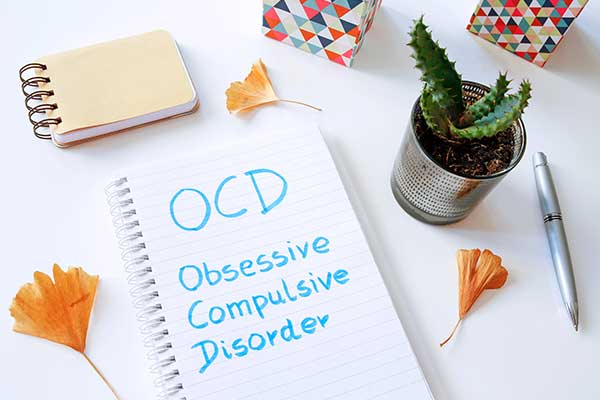
OCD – it is not just about being overly clean or tidy
Many people believe obsessive-compulsive disorder (OCD) is about being overly tidy or compulsively cleaning. This is true in some cases, but it is not just about cleanliness or neatness. OCD is a chronic anxiety disorder.
...

Showcasing Our World Class Addiction Treatment Expertise
Our core team is one of the best in the world, delivering bespoke programmes that are unmatched in personalised care to bring you a complete and lifelong recovery. Our revamped website explains all you need to know.
...
What Should I Do If I’ve Had An Addiction Relapse?
A relapse might feel like the end of the world, but it’s important not to beat yourself up - they’re a common symptom of a chronic disease. You can recover again with the right steps, and learn from your relapse how to prevent them in future.
...

