
Can you Resist the Urge to Shop til you Drop at Christmas?
- Addiction and disorder rehab centre
Are you obsessing about the Christmas shopping? Do you get a thrill from the perfect purchase? Do you take your trophies home only to never use them, then feel guilty when the bank statement arrives?
For some people, just buying something is an irresistible high. This 5% or so of the population suffer from compulsive buying disorder, or oniomania - a harmful obsession with shopping.
The winter festive season can be an overwhelming temptation for a shopping addict, with everyone buying more, bags of mystery gifts, and perfectionist expectations for presents, parties and outfits. So how is oniomania different from a normal Christmas shopping spree?
Shopaholics feel an uncontrollable urge to buy things and an excited or nervous high from paying, even regardless of what they buy. But it’s often followed by feelings of guilt, shame and disappointment.
This rollercoaster of emotions can turn into a vicious cycle of shopping for another high, only to feel even worse afterwards, then buying more to feel better again. With online shopping available on every phone, it’s all too easy to indulge in an instant fix.

The time spent shopping or fantasising about it can degenerate into secret shopping sprees during work, hiding purchases from family, lying to cover up buying binges, and of course, financial problems.
With the easy availability of credit and loans, it’s easy for a shopping addiction to turn into serious debts, leading to ruined credit ratings, bankruptcy, bailiffs or repossession. Even wealthy shopaholics can become so addicted to prestige purchasing that they end up in debt.
Whether money is available or not, the disruption, distress and secrecy of compulsive shopping can destroy relationships and careers, while the stress can cause mental and physical health problems.
Why do compulsive buyers keep going until they are in such a mess? Shopaholics characteristically shop to cope with negative feelings, for example to feel better when anxious or depressed, or to avoid stressful responsibilities.
Oniomania is an impulse control disorder, linked to a malfunction in the brain’s reward system, and often has roots in childhood experiences. Our materialistic culture doesn’t help, with adverts constantly associating products with higher social status and success.
Compulsive buying seems to be an attempt to build a sense of self in people who lack a secure personal identity, seeking self-esteem through their possessions rather than within. The shopaholic is really trying to purchase their own self-worth and happiness, which money simply can’t buy.
If you are struggling to control the urge to buy things you don’t need, Phoenix Programmes rehab centre in Spain can help you, and provide a luxury retreat from temptation. Our behavioural addiction therapy gets to the roots of why you shop, so you can find your self-worth within instead of on a price tag.
If you think that you or someone you love might have a problem with drug or alcohol addiction, compulsive behaviour or emotional disorders, reach out and speak to our specialist addiction rehab treatment team on our confidential helpline +34 691 881 422. Immediate admission available.

Focusing on Yoga and meditation at our rehab in Spain
Dr Alejandra Hallin is a highly qualified psychiatrist with many years’ experience in the treatment of alcoholism, addiction, trauma, depression, and substance abuse. She has published several papers in U.S. scientific journals.
...
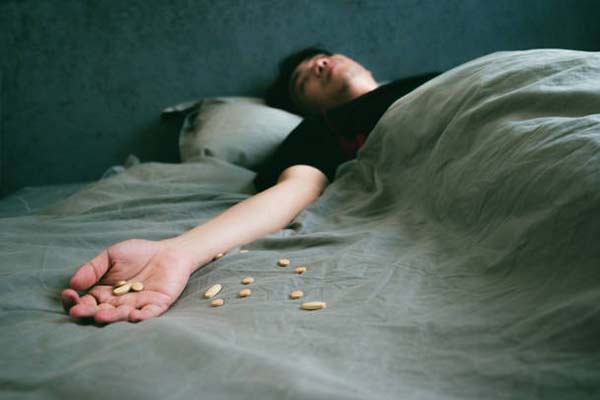
One in Four Brits are addicted to prescription drugs
In September 2019 it was claimed that 1 in 4 Brits are addicted to prescription drugs. Whether that figure is accurate is disputed. What is known, is that 1 in 4 Brits had been prescribed an addictive drug in 2018.
...
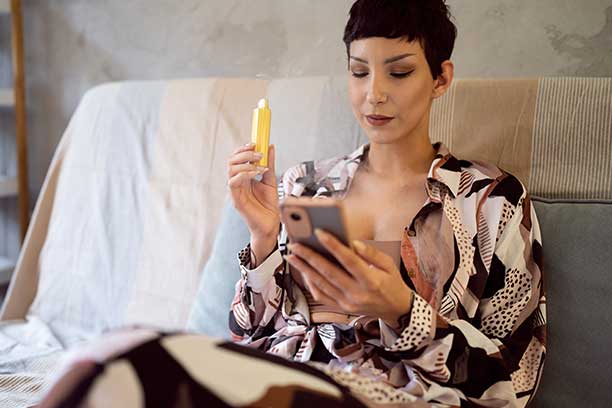
Social media addition and the new age behaviour challenge
Welcome to our world-class luxury addiction treatment centre, a premier destination for individuals seeking recovery from social media addiction, behavioural issues, and co-occurring mental health disorders.
...

Private, One-To-One Addiction Treatment for Individuals
When someone you love is struggling with addiction, it can feel frightening, confusing, and exhausting. You may have watched their health, relationships, confidence, and everyday life change over time. You may have tried to help, argued, worried, cov...
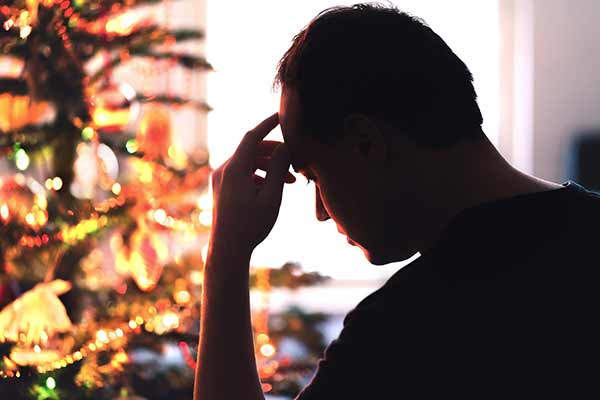
Is the Christmas Chaos Causing You to Burn Out?
Are you exhausted by the run up to Christmas? Are you anxious about working hard enough to make the perfect day? Or are you obsessively slaving away before your annual appraisal?. It’s perfectly normal to put in some overtime to pay for the presents....
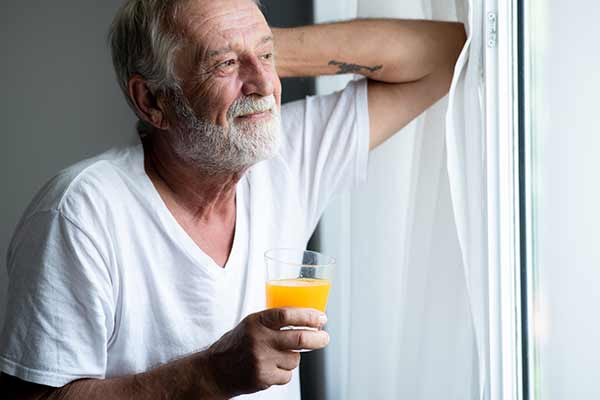
AA and the Curious Mind: Rebuilding Purpose Through Sobriety
Alcohol addiction doesn’t just take away health, it steals curiosity, goals, and the desire to grow. In recovery through Alcoholics Anonymous, I found that rediscovering curiosity became the key to rebuilding motivation and purpose.
...
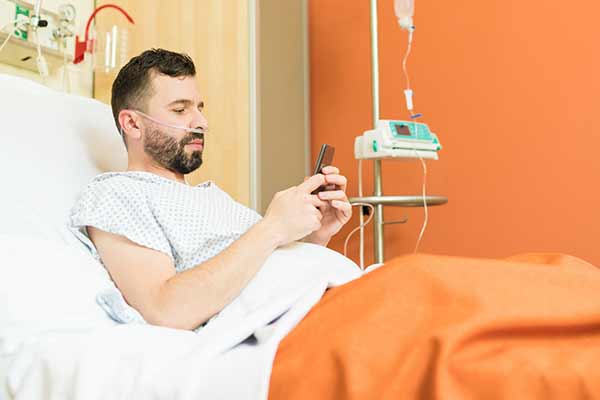
An Addiction Therapist’s Reflection on a Professional Athlete
When Pain and Addiction Collide explores how a professional athlete’s genuine shoulder injury and prescribed opioids gradually turned into dependence. This reflection from an addiction therapist examines the blurred line between pain relief and addic...
What is mental health? And how does it affect us?
Mental health refers to our emotional, intellectual, and behavioural welfare; how we feel, what we think and how we behave. Our mental health has an impact on every facet of our daily lives and how we view the world we live in.
...

