
24th March, 2026
Review by: Chris Spencer, Addiction Specialist
An Addiction Therapist’s Reflection on a Professional Athlete
- Drug Addiction Treatment Centre
When Pain and Addiction Collide
The Smile That Concerned Me
Several years ago, I was asked to travel to London to carry out an intervention on a young man who had overdosed on opioids.
On the surface, he seemed an unlikely candidate for addiction. He was a former professional athlete. Talented, disciplined, physically strong, and highly respected by those around him.
Like many athletes, however, his life changed following an injury. Midway through his career, he sustained a serious shoulder injury. Initially, he was prescribed opioid painkillers to help manage the pain. At first, they appeared to do exactly what they were intended to do. They reduced his discomfort and allowed him to continue functioning. Unfortunately, like many thousands of people before him, what began as pain management gradually became dependence.
When concerns were raised by family members and doctors, obtaining medication became more difficult. Rather than reducing his use, he began finding alternative ways to obtain opioids. His addiction progressed. Eventually, it resulted in an overdose. That was when I was asked to become involved.

A Remarkable Recovery
Following the intervention, he agreed to return with us to Spain and entered a three-month treatment programme at Phoenix.
To his credit, he embraced recovery. He attended therapy, participated in treatment, worked on himself, and slowly rebuilt his life. Over time, the change was remarkable. His physical health improved. His emotional stability returned. His confidence grew.
Most importantly, he began reconnecting with the person he had been before addiction took hold. Eventually, he was back training, back exercising, and back pursuing the sport he loved. From the outside, everything appeared to be moving in the right direction.
The Day Everything Changed
One afternoon, everything changed. I was informed that he had suddenly collapsed and was lying on the floor in severe pain. The pain appeared genuine and intense. He was taken to hospital for assessment.
Initially, the doctors attempted to manage his symptoms without opioids. Given his history of addiction, this was understandable. However, his pain continued. Eventually, opioid medication was prescribed. Later that afternoon, I walked into his room. What I saw has stayed with me ever since.
He was smiling. Not a broad smile. Not a dramatic smile. Just a look of deep satisfaction. It immediately caught my attention.
Was It Pain or Was It Addiction?
To this day, I cannot answer that question with certainty. Perhaps his shoulder injury had genuinely returned. Perhaps he was experiencing severe physical pain that required opioid medication. Perhaps the medication was entirely justified. Or perhaps addiction had quietly reawakened.
The truth may even have been both. That is one of the most difficult realities about opioid addiction. Unlike alcohol or many other substances, opioids are often prescribed for legitimate medical reasons. A recovering alcoholic can usually avoid alcohol completely.
Someone suffering genuine chronic pain may not always have that option. The line between pain relief and addiction can become blurred. Sometimes even the individual themselves struggles to know where one ends and the other begins.
PRIVATE OPIOID ADDICTION REHAB IN SPAIN
Request a confidential call to discuss private alcohol treatment in Marbella.
The Difficult Position Doctors Face
The opioid crisis has rightly attracted enormous criticism. The role played by pharmaceutical companies, misleading marketing, and poor oversight has been extensively documented. However, it is important to remember that most doctors were trying to do what doctors are supposed to do.
They were trying to relieve suffering. Pain can be devastating. Chronic pain destroys quality of life. It affects sleep, relationships, work, mood, and mental health. Few things can make a person’s world shrink more quickly than ongoing pain.
Every day, doctors face an incredibly difficult dilemma. Do they relieve suffering and risk creating dependence? Or do they avoid prescribing effective pain relief and risk leaving someone in genuine distress? There are rarely easy answers.
A New Hope?
Recently, a new non-opioid pain medication called suzetrigine has attracted significant attention. What makes it interesting is that it appears capable of treating certain types of pain without activating the same reward pathways associated with opioid addiction. If future research confirms its effectiveness and long-term safety, it could represent an important step forward. For addiction professionals, the appeal is obvious.
Many people I have worked with over the years did not begin their journey seeking intoxication. They began seeking relief.
Relief from pain.
Relief from surgery.
Relief from injury.
Relief from suffering.
If medicine can genuinely reduce pain without creating dependency, it has the potential to prevent countless future addictions before they ever begin.
The Biggest Lesson
What happened to that young football player taught me something important. Addiction is rarely as simple as people imagine. This was not a weak man. He was disciplined, motivated, successful, and determined.
He had worked hard to rebuild his life. Yet a legitimate medical problem may have reopened the very door he had fought so hard to close. That is why addiction deserves respect. It is often described within recovery circles as “cunning, baffling and powerful.”
I have seen many examples of that over the years. The young football player’s story remains one of the most memorable. Because even now, I cannot say with certainty whether I was looking at a man relieved that his pain had finally been treated. Or a man relieved to have opioids back in his system. Perhaps the most uncomfortable possibility is that it was both.
Final Thoughts
The future of addiction treatment may not simply lie in helping people recover after addiction develops. It may also lie in preventing addiction from developing in the first place. If safer and genuinely non-addictive forms of pain relief become widely available, we may eventually spare countless individuals and families from the devastation that opioid addiction can bring.
As addiction professionals, that is something worth hoping for. Because the safest addiction is the one that never starts.
As addiction professionals, that is something worth hoping for. Because the safest addiction is the one that never starts.
If you think that you or someone you love might have a problem with drug or alcohol addiction, compulsive behaviour or emotional disorders, reach out and speak to our specialist addiction rehab treatment team on our confidential helpline +34 691 881 422. Immediate admission available.

How We Dealt With Lockdown - Online Therapy Courses
With most of Europe experiencing a second wave of the Covid-19 virus and the appearance of new mutated strains, what are people doing if they need help for issues with alcohol and drug addiction during lockdown?
...
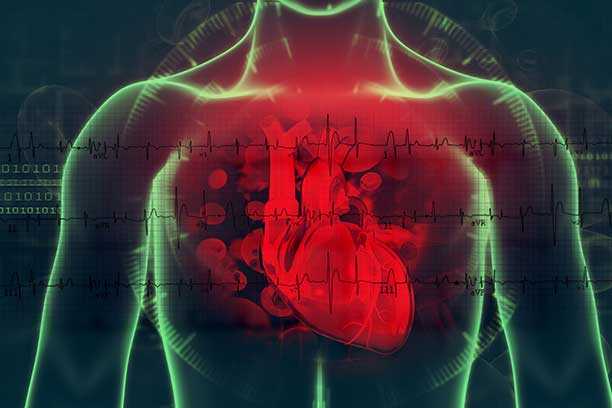
Rapid rise in under 40’s suffering from cocaine induced Heart attacks
Following the death of Luke Perry earlier this year, the American College of cardiology said that drug induced heart attacks (particularly cocaine and marijuana) in the under 40’s has risen by 2% every year for the last decade.
...

When I Realised I Could Not Stop Drinking or Taking Drugs
I never imagined I’d need a drink to start my day. Addiction doesn’t begin with collapse, it creeps up quietly until one day you realise you can no longer stop. For years I believed addiction looked like a caricature: a dishevelled person.
...
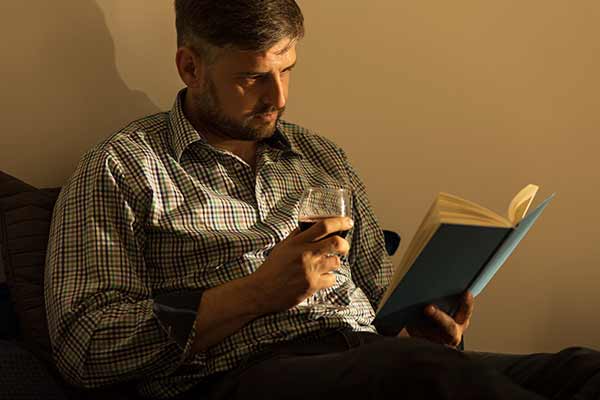
When Alcohol Stops Working: From Relief to Dependence
For many people with alcohol dependence, the real turning point is not when drinking stops intoxicating them, but when it stops delivering what it once promised. This is the moment alcohol shifts from pleasure to necessity.
...
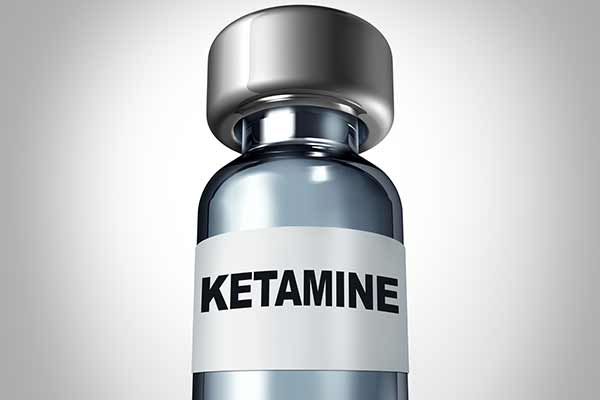
The Tragic Loss of The Vivienne and a Spotlight on Ketamine
Ketamine has gained a reputation as a party drug and even a mental health treatment—but recent news reminds us of its darker side. The sudden death of beloved drag artist The Vivienne has sparked conversations about ketamine misuse.
...
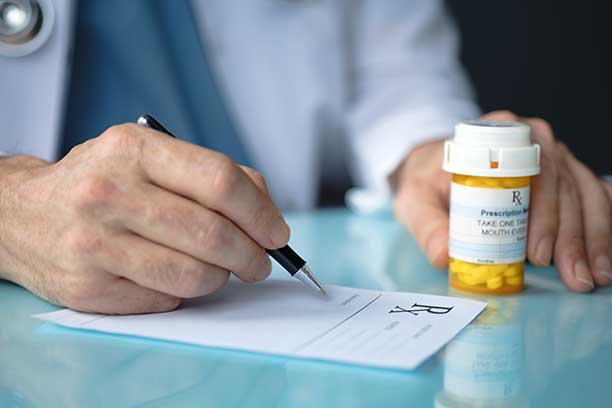
An opioid crisis, in ten years deaths have doubled
Five years ago, the UK was warned that it was heading towards an opioid addiction crisis and there was a drive to reduce the numbers of prescriptions for the highly addictive drugs. Yet opioid related deaths are still on the rise.
...
Alcoholism is a disease and it can affect anyone
I come from an incredibly dysfunctional family, where alcohol use was prevalent, and I had access to it from a young age. I was given little, to zero, affection from my mother, and my parents were constantly screaming.
...
When I Realised I Could Not Stop Drinking or Taking Drugs
I never imagined I’d need a drink to start my day. Addiction doesn’t begin with collapse, it creeps up quietly until one day you realise you can no longer stop. For years I believed addiction looked like a caricature: a dishevelled person.
...

