
Alcohol Misuse
Advice about a leading cause of premature death and disability
Alcohol Misuse
Alcohol misuse is one of the leading causes of death and disability in the age range 15 to 50 years old. Our alcohol blogs relate to all things alcoholic: tips on staying sober, identifying if you have a problem, the effects of alcohol abuse, and much more.

Hitting rock bottom is often the turning point that leads people to Alcoholics Anonymous. This AA recovery story explores loss of control over alcohol, powerlessness, and how surrendering to the First Step can open the door to lasting sobriety.

In the early years of Alcoholics Anonymous, William Duncan Silkworth offered something revolutionary. At a time when alcoholism was seen as weakness or lack of willpower, he introduced a medical perspective.

For many people with alcohol dependence, the real turning point is not when drinking stops intoxicating them, but when it stops delivering what it once promised. This is the moment alcohol shifts from pleasure to necessity.

In alcoholism recovery, willingness often appears in two distinct forms: the willingness to stop drinking, and, far more importantly, the willingness to stay sober. For many alcoholics, the decision to stop drinking begins.
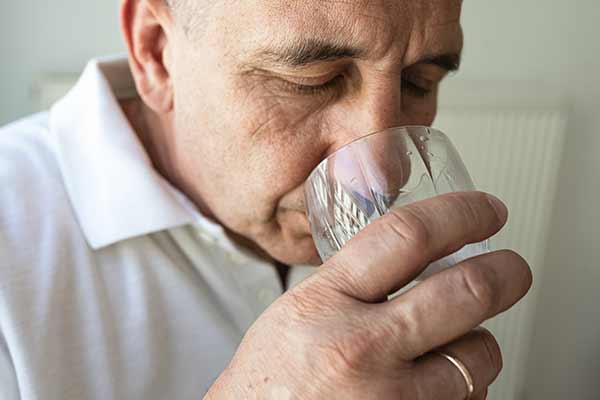
When I first arrived in Alcoholics Anonymous, my goal was urgent and uncomplicated: stop drinking. I was not searching for virtue or self-improvement. I wanted relief. Alcohol had narrowed my world to fear, obsession, and self-preservation.

Psychologists describe a phenomenon known as fading affect bias, the tendency for negative emotional memories to fade faster than positive ones. Pain softens. Anxiety reduces. Shame loses immediacy. Meanwhile, pleasure remain.

For years, I believed alcohol only became dangerous at the extreme end of the spectrum, where lives were visibly falling apart. If you weren’t drinking in the morning or humiliating yourself in public, you were “fine”. That belief is common.

Sobriety is often discussed in moral or spiritual terms, but it is also a critical medical decision. This article examines the medical reality of alcohol addiction, its impact on physical health and longevity, and why treatment is essential.

